You’ve heard the word Ththometech. Maybe in a meeting. Maybe on a Slack thread.
Maybe while pretending to nod along.
It sounds important. It sounds technical. It sounds like something you should already understand (but you don’t).
That’s not your fault. It’s because nobody explains it clearly. They bury it in jargon or skip straight to features no one asked for.
I’ve seen people waste hours trying to pin down what Ththometech actually does. Not what it sounds like it does. Not what a vendor says it does.
What it actually does (in) real life, with real tools, for real work.
This article cuts through that. No definitions lifted from a glossary. No vague analogies.
Just plain talk about what Ththometech is, why it shows up in your day-to-day, and where it slowly changes things.
You’ll finish this knowing exactly when Ththometech matters. And when it doesn’t. You’ll know how it connects to stuff you already use.
And you’ll walk away able to explain it to someone else in under thirty seconds.
What Ththometech Actually Is
I Googled “Ththometech” myself the first time I saw it. It’s not a typo. It’s a real thing.
Ththometech is just tech built to fit how people actually live. Not how engineers wish they lived.
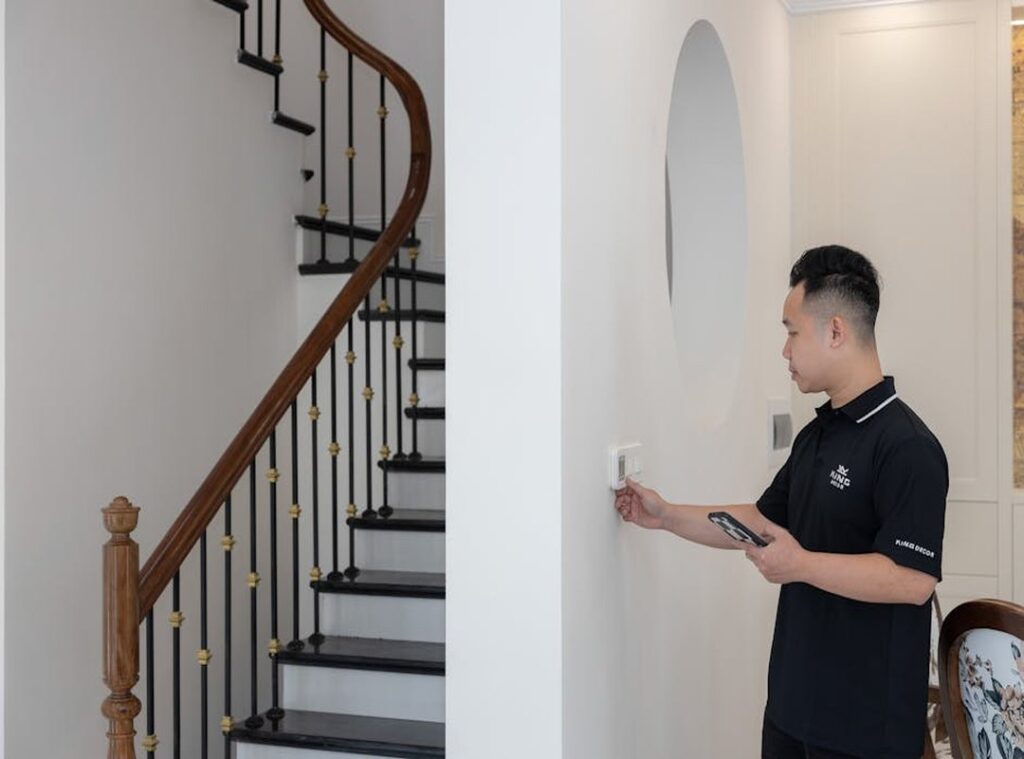
It solves one problem: stuff that should be simple keeps getting harder. Like your thermostat learning your schedule without you uploading a spreadsheet. Or your lights turning on when you walk in (no) app, no voice command, no setup.
It’s not magic. It’s design that assumes you’re tired, distracted, and done with tutorials.
Think of it like a well-worn pair of jeans. No break-in period. No instructions.
Just works.
The idea came from watching people throw remotes at walls.
Then asking: What if the device figured out what you wanted (before) you asked?
You’ve seen it in action. That coffee maker that starts brewing when your alarm goes off? Ththometech.
The door lock that unlocks when your phone is in your pocket ten feet away? Also Ththometech.
It’s not about more features.
It’s about fewer decisions.
Some companies call this “ambient computing.”
I call it common sense.
You don’t need to name it to want it.
You just want things to stop fighting you.
That’s all Ththometech is trying to do.
How Ththometech Actually Works
I type something in. You do too. It’s not magic.
It’s just fast.
Ththometech starts with what you give it. A question, a note, a messy list. That’s the input.
Nothing fancy. Just words you already have.
Then it sorts. Not like a librarian. More like you shoving papers into three piles while muttering.
It groups ideas. Drops repeats. Flags what matters right now.
The output? A clean version of your thinking. Shorter.
Clearer. Ready to use.
It doesn’t write for you. It reshapes what you brought. Like tightening a loose hinge so the door actually closes.
No servers. No jargon. Just logic that works like your brain on coffee.
Focused, skip-the-fluff, slightly impatient.
You’re asking: Does this really save time?
Yes. If you’ve ever stared at a paragraph and thought “What did I even mean?”
It uses plain-language rules. Not AI guesses. Rules you’d explain to a coworker over lunch.
Goal? Make your next step obvious. Not perfect.
Not polished. Just unstuck.
That’s it. No dashboard. No setup.
You paste. It clarifies. You move.
And winter’s coming. Which means fewer hours to waste on unclear notes. More hours to do the thing you meant to do.
Where You’ll Actually Spot Ththometech
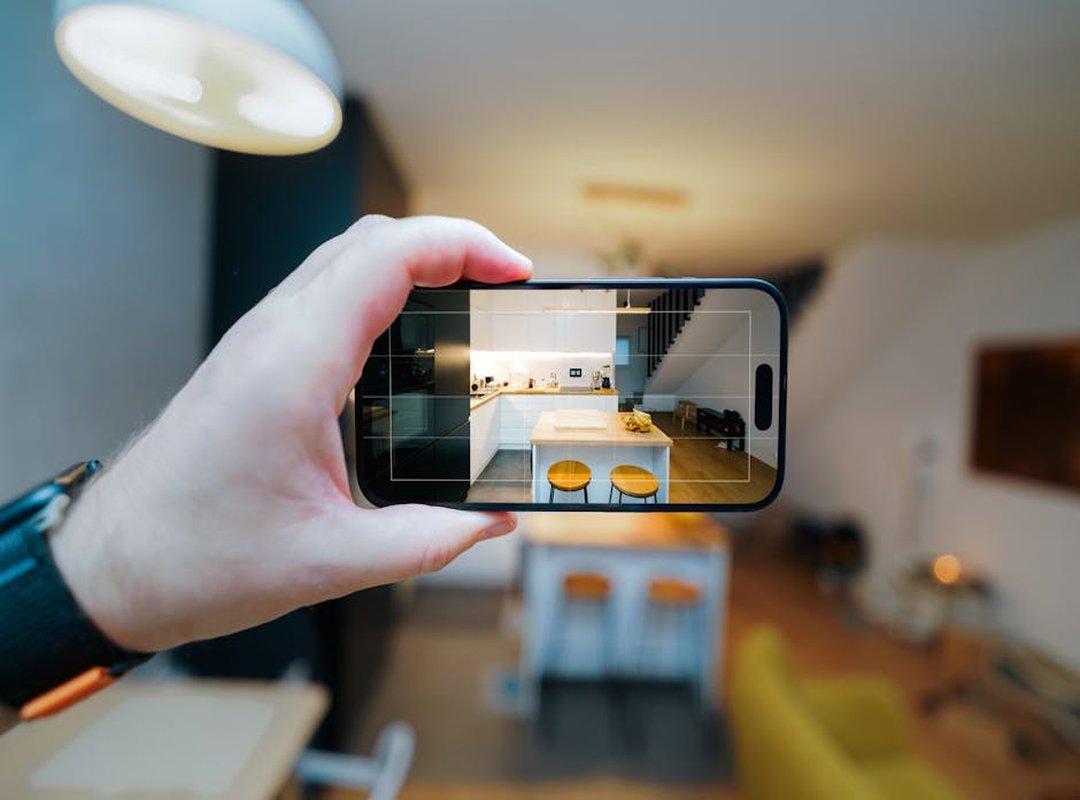
I saw it last week at the coffee shop on 5th and Main. The barista tapped her tablet and the order popped up before she even asked. No typing.
No repeat-back. Just done.
You’ve felt this too. That moment your phone finishes your text before you finish the word. It’s not magic.
It’s pattern-matching built into the system.
At Lincoln Middle School, teachers use it to grade spelling quizzes faster. The software spots errors, yes (but) also notices how a kid misspells “receive” every time. Then it suggests practice words that fix that exact habit.
Not just “study more.” Fix this.
My neighbor uses it to keep her garden alive. She takes a photo of yellowing basil leaves. Ththometech compares it to thousands of plant photos.
And tells her it’s overwatered, not sick. She cuts back on watering. Leaves green up in two days.
You’re not reading about some lab experiment. This is happening right now. In schools, kitchens, small businesses downtown.
It’s not flashy. It doesn’t shout. It just works slowly so you don’t have to guess.
What’s one thing you waste time on right now that could use that kind of quiet help?
Mistakes I Made With Ththometech (And Why You Should Care)
I thought Ththometech was just about fancy vacuums. Turns out it’s how my thermostat learns when I’m home. How my lights dim before I ask.
How my grocery list updates itself when I run out of milk.
I ignored it for years. Big mistake. Not because it’s flashy (but) because it’s everywhere now.
You’re already using it. That app that suggests what to cook? Ththometech.
That calendar that reschedules meetings when you’re late? Ththometech. The reason your phone knows to silence itself at bedtime?
Yep.
I assumed I’d learn it later. Then my smart lock failed during a storm. No backup key.
No manual override. I sat on the porch for 45 minutes waiting for support.
Which Irobot Vacuum Should I Choose Ththometech? That question got me started. But it’s not just about vacuums anymore.
It’s about control.
About knowing how things really work (not) just tapping buttons.
I stopped treating devices like magic. Now I read the settings. I check the privacy logs.
I ask: who owns this data?
Ththometech won’t wait for you to catch up. It’s building the future while you scroll. So ask yourself: am I using it.
Or is it using me?
You Get It Now
I told you Ththometech wasn’t magic.
It’s just clarity, applied.
You came here because that word confused you. It felt heavy. Unnecessary.
Like jargon dressed up as insight.
It isn’t.
Ththometech cuts noise. It turns tangled steps into something you can follow. Something you can trust.
You’ve seen how it works. Not in theory, but in real situations where people needed better results, faster. No buzzwords.
No fluff. Just simpler paths to real outcomes.
Look around. That app you use daily? That workflow your team tweaked last week?
Ththometech is probably already in the room. You just didn’t have the name for it yet.
Now you do.
So stop waiting for permission to question the next shiny tool.
Ask: Does this actually simplify. Or just rearrange the mess?
Go try it. Pick one thing you’re wrestling with right now. Apply one Ththometech principle.
Like removing one unnecessary step, or making one hidden rule obvious.
Then tell me what changed.
I’ll be listening.
 Chief Technology Officer (CTO)