I wake up tired.
You do too.
That groggy, heavy-headed feeling isn’t normal.
It’s not just “being busy.” It’s your body screaming for real rest.
I’ve tried the usual stuff. Counting sheep. Turning the pillow over.
Staring at the ceiling while my brain replays yesterday’s awkward email.
None of it works long-term.
This article is about New Sleeping Solutions Ththometech. Not gimmicks, not vague advice, but actual tools built to fix real problems. Things like smart mattresses that adjust to your movement.
Light systems that nudge your circadian rhythm without you lifting a finger. Sensors that catch restless nights before they wreck your week.
I don’t care about flashy specs. I care if it helps you fall asleep faster. Stay asleep longer.
Wake up clear-headed.
These aren’t lab experiments. They’re in homes now. Working.
You want better sleep (not) another bedtime ritual that feels like homework. So we cut the fluff. No jargon.
No hype. Just what’s proven, what’s practical, and what fits real life.
By the end, you’ll know which solutions actually move the needle (and) which ones to skip.
Smart Beds That Actually Work
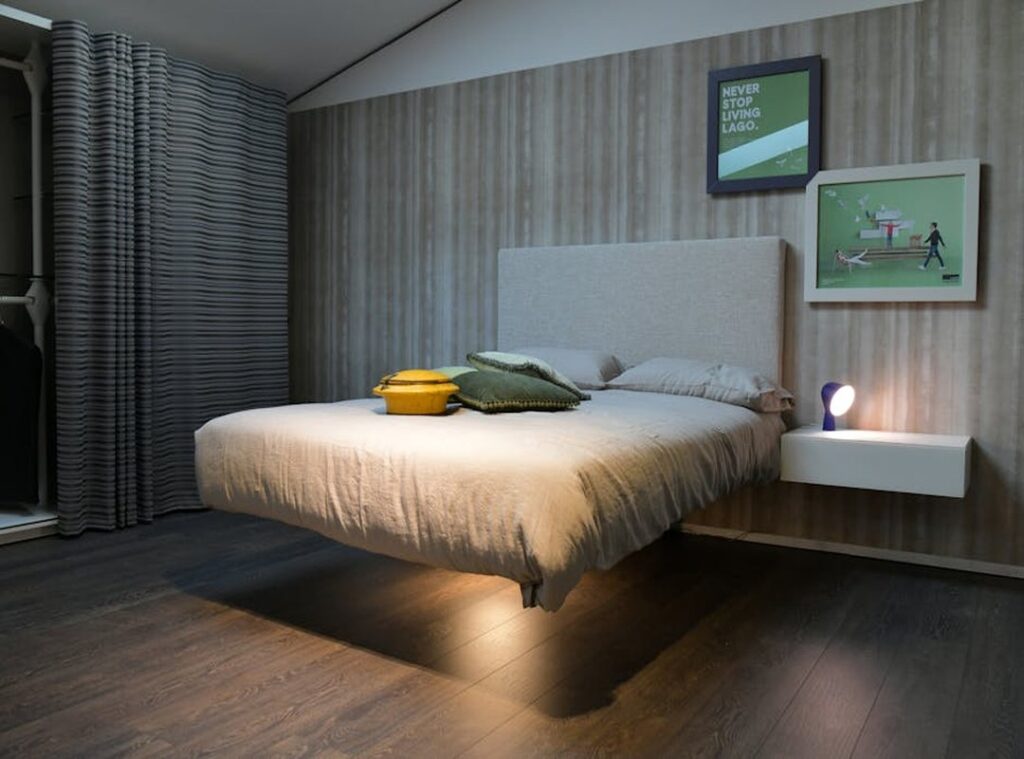
A smart bed adjusts to you. Not just once. Every night.
It’s not magic. It’s motors and sensors.
I tried one last winter. My back hurt. The bed softened under my shoulders.
Firmed up at my hips. (Turns out, my old mattress was flatlining.)
Some beds change firmness based on how you sleep. Side sleeper? Softer.
Back sleeper? Firmer. You don’t set it.
It figures it out.
Temperature control is real. Not just a fan blowing cold air. Heated coils.
Cool gel layers. One side warm. One side cool.
My partner stops kicking me at 2 a.m. now. (She runs hot. I run cold.
We used to argue about blankets.)
Sleep tracking? Yes. But not like your watch.
This tracks breathing, movement, heart rate. All without wearing anything. It shows when you toss, when you’re stuck in light sleep, when you wake up at 3:47 a.m. for no reason.
Back pain? Overheating? Waking up tired?
These aren’t normal. They’re fixable. The New Sleeping Solutions Ththometech page breaks down what actually works.
And what’s just marketing noise.
I stopped buying mattresses blind after that.
You should too.
Pillows That Actually Work
I used to think pillows were just foam and fabric.
Turns out, they’re the first line of defense against neck pain, night sweats, and restless sleep.
Smart pillows aren’t sci-fi. They’re real. Some have cooling gel layers that pull heat away while you sleep.
Others let you add or remove fill to dial in the exact loft you need. One I tried even played soft voice-guided breathing. No phone required.
(It felt weird at first. Then I slept through the night.)
Bamboo sheets? Not just a buzzword. They breathe better than cotton and resist dust mites.
Tencel does the same (and) feels slippery-cool on hot skin. Even high-end synthetics now wick sweat faster than old-school polyester ever could.
If you wake up with stiffness, allergies, or soaked pajamas. You’re not broken.
Your pillow and sheets probably are.
That’s where New Sleeping Solutions Ththometech fits in. No magic. Just better materials.
Better design. Less guesswork.
You don’t need ten pillows. You need one that matches your body. Not a marketing pitch.
What’s the last thing you bought that actually fixed your sleep? (Not “helped.” Fixed.)
Sleep Trackers Aren’t Magic. But They’re Useful
I wear a ring. Not for fashion. It tells me when I’m actually asleep versus just lying there pretending.
Watches track movement and heart rate. Rings measure skin temperature and blood flow. Headbands?
They guess sleep stages using EEG-like signals (they’re not medical grade, but they’re close enough for trends).
They collect heart rate, motion, oxygen saturation, and estimated sleep stages. That’s it. No mind reading.
Just physics and math.
You see patterns. Like how coffee after 2 p.m. shaves 45 minutes off deep sleep. Or how that 10-minute scroll before bed pushes REM into the 4 a.m. hour (and) you wake up groggy anyway.
Smart alarms wake you in light sleep. It feels less like being startled and more like stretching awake. Try it once.
You’ll never go back to blaring at 6:00 sharp.
Some people think this is overkill. I get it. But if you’re tired all the time and don’t know why, this data beats guessing.
Especially when paired with real-world habits.
That’s where Home economy advice ththometech helps (because) better sleep changes how much energy you waste on bad routines.
New Sleeping Solutions Ththometech only matters if you act on what the device shows you.
Not every night is perfect. But most nights? You learn something.
And that adds up.
Sleep Isn’t Magic. It’s Setup.
I bought a sound machine that played rain on loop for three years.
It worked. Until it didn’t.
(Yes, those actually work. If you pick the right frequency.)
Then I tried one that listens. It adjusts volume when my partner snores. It fades out binaural beats after I fall asleep.
Sunrise alarms? I laughed. Until mine lit up at 5:47 a.m. and I woke up before the alarm and didn’t hate life.
No jolt. No panic. Just soft light like dawn in real life.
Blackout curtains changed everything. My apartment faces a streetlight. One night I pulled them shut (and) slept through the garbage truck.
Aromatherapy diffusers? Skip the lavender cliché. Try bergamot.
Or vetiver. Smell matters. Your brain knows before you do.
You don’t need all of it.
Pick one thing that breaks your sleep. And fix that.
The rest falls into place. Or it doesn’t. And that’s fine too.
Want real tools. Not gimmicks?
Check out New Sleeping Solutions Ththometech at Ththometech Home Tech From Thehometrotters.
Your Sleep Isn’t Broken (It’s) Just Waiting
I tried three smart pillows. Two wearables. One $3,000 bed.
None worked until I stopped chasing “innovation” and started listening to my own body.
You don’t need all of it. You need one thing that actually fixes what keeps you up. Is it heat?
Noise? Tossing? Waking up sore?
That’s why New Sleeping Solutions Ththometech matters (not) as a buzzword, but as a filter. It’s not about buying more. It’s about buying right.
Smart beds won’t help if your room is too bright. A fancy pillow won’t fix caffeine at 8 p.m. Wearables are useless if you ignore the data they give you.
So ask yourself: What’s the one thing I’d change tonight to sleep deeper? Not someday. Not next month. Tonight.
Start there. Pick one solution from what we covered. Pillow, wearable, environmental tweak (and) try it for five nights.
No big purchase. No overhaul. Just five nights of paying attention.
If it helps? Great. Keep going.
If it doesn’t? Drop it. Try something else.
Better sleep isn’t some distant goal.
It’s a choice you make tomorrow morning (about) what you’ll stop doing (and) tonight, about what you’ll try instead.
Go pick your one thing.
Then go sleep.
 Chief Technology Officer (CTO)