You’re not imagining it. Personal data breaches are everywhere. Every time you turn around, someone’s trying to snatch your information.
It’s a jungle out there.
This article cuts through the noise and offers real ways to protect personal data. I know the digital security space can feel overwhelming. But it doesn’t have to be.
You need actionable strategies that you can set up right now.
With my experience in digital security, I’ve seen how fast things change. What worked last year might not work today. That’s why I’m committed to helping you get through these waters.
Digital self-defense is no longer optional; it’s important. You’ll learn how to shield your identity and stay ahead of the curve.
By the end, you’ll have practical tips to safeguard your personal information and future-proof your digital life. Trust me, this is a skill you can’t afford to ignore.
Your Digital Footprint: What’s Really at Stake?
Ever think about what “personal information” means these days? It’s not just names and addresses anymore. We’re talking biometrics, your browsing habits, where you are right now, even what you buy.
Every click, swipe, and tap adds to your digital footprint. Think you’re flying under the radar? Think again.
Smart devices and interconnected services are expanding your digital footprint faster than you’d believe. And let’s be honest, half of us ignore the understanding phishing threat. That’s dangerous.
From identity theft to privacy erosion (yep, that’s a real thing), threats are everywhere.
So what happens if you don’t protect personal data? Financial fraud, reputational damage, loss of autonomy. Sounds dramatic, right?
But it’s reality. Leave your data unguarded, and you’re inviting trouble.
Some vulnerabilities are just begging to be overlooked. Take insecure IoT devices or public Wi-Fi (pro tip: stop using unsecured networks). They seem harmless but are entry points for threats.
Do we even realize the magnitude of this? We’re sleepwalking into a digital apocalypse. Time to wake up and take charge.
Secure your data, or someone else will. No more excuses. Protect yourself before it’s too late.
Guarding the Digital Fortress: Account Security Essentials
Let’s get straight to it. Passwords are your first line of defense. If you think “123456” or “password” is enough, think again.
A strong password should be long, complex, and unique. Mix it up with numbers, symbols, and uppercase letters. Avoid predictable patterns or common words.
Why make it easy for hackers?
Now, onto Two-Factor Authentication (2FA). It’s a must. It adds an extra layer of security.
Think of it as a bouncer for your account. You need more than just a password to get in. Use authenticator apps over SMS codes (they’re safer).
And don’t even get me started on password managers. They’re not just for the lazy. They securely store and generate passwords.
It’s like having a vault for your credentials. Regularly review and update your security settings. Don’t wait for a breach to act.
Want to protect personal data? Start by understanding the importance of these practices. Check out your personal data for more takeaways.
The digital world is a tough place. Be proactive, not reactive. Stay ahead of the game.
Proactive Defense: Protect Your Data
Why bother keeping your software updated? Because outdated software is like leaving your front door wide open. Hackers love it.
Regular updates patch these vulnerabilities. Now, let’s talk about strong antivirus. It’s your frontline.
Without it, your devices are sitting ducks.
VPNs are your secret weapon for encrypting internet traffic. Especially on public networks. Ever used airport Wi-Fi?
You need a VPN. And don’t get me started on home Wi-Fi. Weak passwords are a joke.
Use strong router passwords and WPA3 encryption. Guest networks? Absolutely.
Why let visitors poke around your main network?
Data encryption is key. Full-disk encryption on devices and cloud storage? It’s a no-brainer.
This adds a layer of defense against unauthorized access. Think of encryption as the ultimate lock on your digital safe.
We must protect personal data. It’s not an option. It’s an obligation.
Let’s do this right. Technology is here to help, but only if we take the steps to secure it. So, are you ready to up your security game?
Because now, more than ever, proactive defense is key. No excuses. Just action.
Navigating the Social Sphere: Mastering Online Privacy Settings
We all want to protect personal data, don’t we? It’s like a digital armor in a world that never stops sharing. You might think, “How hard can it be to tweak some settings?” But oh, it’s deeper than that.
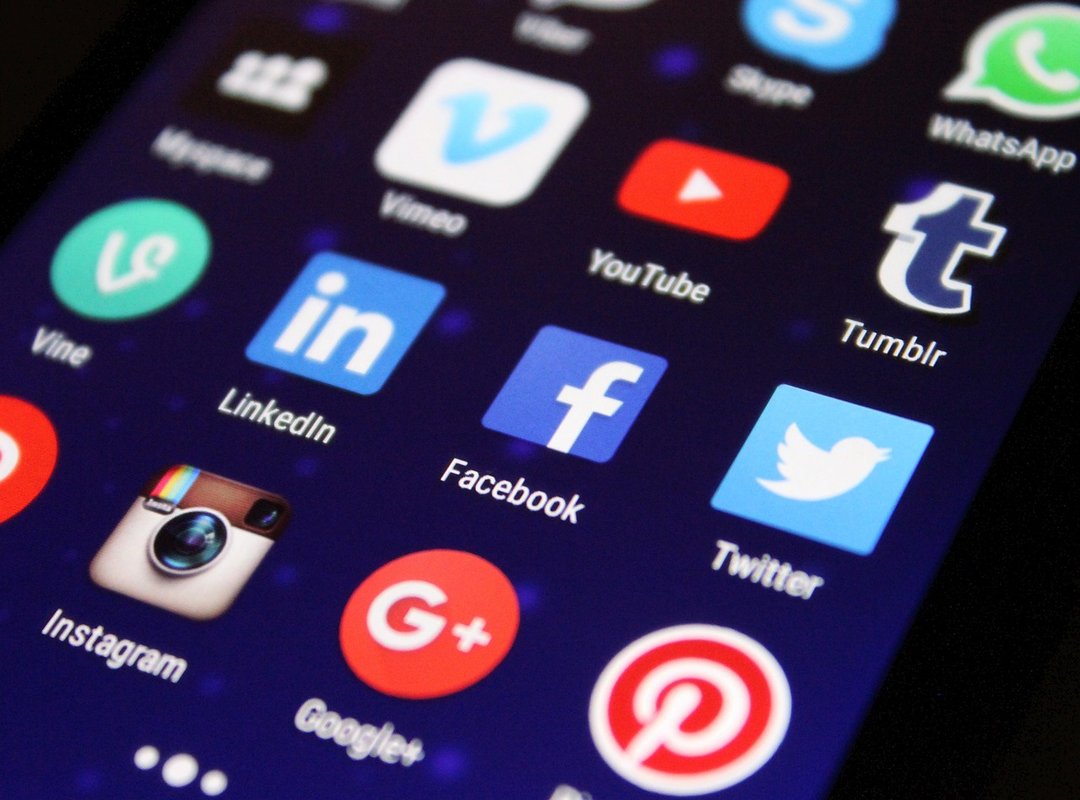
Start with Facebook’s settings, which are a rabbit hole of options. Limit who sees your posts and avoid public exposure unless you want to be a celebrity (and we know how that ends). Instagram isn’t far behind with its layers of privacy. Go private if you’re not keen on strangers browsing your vacation pics.
And then there’s X, formerly known as Twitter. Yeah, it’s tricky. Lock down retweets and mentions unless you enjoy the chaos.
LinkedIn? Different beast. It’s professional but play smart with what you share about your work history.
Employers are watching. They always are.
Let’s not ignore the constant threat of social engineering. Phishing links and imposter accounts lurk everywhere. Be vigilant, and reject unnecessary app permissions.
I can’t stress this enough: revoke access often.
Oh, and the permanence of digital content? Your online posts could haunt future job prospects. A regular check of your settings is like a cyber defense plan.
Always stay ahead.
Proactive Vigilance: Stay Ahead in Privacy
Let’s talk about data minimization. It’s about consciously deciding how much personal info you put out there. Seriously, why give away more than what’s necessary?
You wouldn’t leave your front door open, so why do that with your data?
I check my financial statements like a hawk. Suspicious activity? Not on my watch.
It’s amazing how many folks don’t even glance at their credit reports. How else will you catch those sneaky charges?
Ever considered a credit freeze or fraud alert? Think of it as a shield against identity theft. It’s not just for the paranoid.
It’s proactive.
And those emerging privacy technologies? They’re the future. Decentralized identity systems and privacy-enhancing browsers aren’t just buzzwords.
They’re real tools to help you protect personal data. Imagine surfing the web without leaving a trace.
Have you thought about a digital will? It’s a plan for your digital assets when you’re not around. We plan for our physical stuff, so why not digital?
It’s a new era, and we need to be ready.
The digital world is evolving. We have to be smarter, stay ahead, and protect what’s ours. Are you ready to take control?
Your Path to Digital Security
Safeguarding personal information is a continuous journey. It’s not just about creating strong passwords. Proactive monitoring and awareness matter too.
When you take charge of your digital security, you shift from being vulnerable to becoming resilient. That empowerment is key in today’s world.
Start implementing these strategies now.
Don’t wait until it’s too late.
Protect personal data and stay ahead of the curve.
Begin fortifying your digital defenses today.
Explore the resources available and keep informed about future cybersecurity advancements.
Your digital future depends on your actions. So take the first step now.
 Founder & Chief Executive Officer (CEO)