Technology is evolving fast, and honestly, it’s tough to keep up. Not everyone can access the solid tools everyone talks about.
That creates a frustrating divide in digital empowerment.
I’ve spent years tracking how tech trends can genuinely improve lives. I’ve seen how inclusive design can make a difference.
This article dives into digital assistants accessibility. I’ll explain what these tools are and why they matter.
Every user deserves to feel empowered, regardless of their abilities.
I aim to demystify how accessible digital assistants bridge this gap. It’s time we stop leaving people behind.
You’ll understand how these tools work and why they’re important.
I’ll break down the complexities of tech into practical takeaways that you can actually use in your daily life.
You’ll walk away with knowledge that adds real value.
If you want to get through the future of technology better, you’re in the right place.
What Makes a Digital Assistant Truly Accessible?
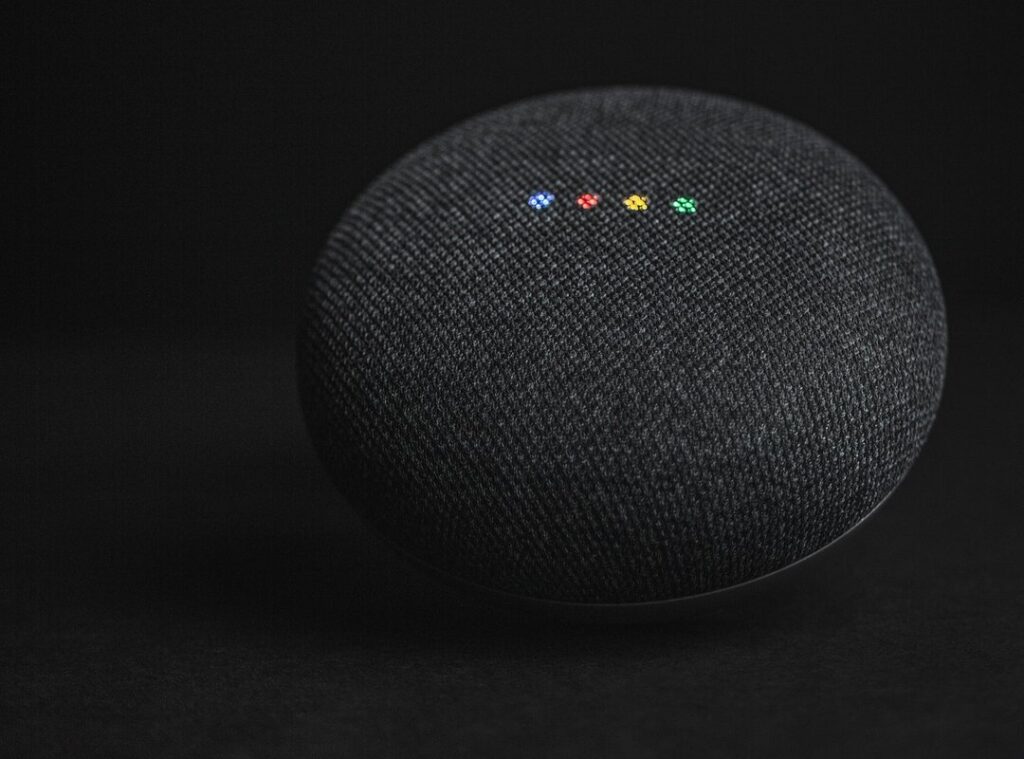
A digital assistant is more than just a voice in your device. It’s an AI-powered helper designed to make your life easier. But what defines a truly accessible digital assistant?
It’s not just about basic functionality or cool features. It’s about designing with everyone in mind, including those with diverse needs.
An accessible assistant has intuitive interfaces. You shouldn’t need a manual to use it. Customizable settings are key too.
We all have different preferences. Multi-modal interaction options (like voice, text, gesture, and haptic feedback) are important. Imagine navigating a device solely with your voice if your hands are occupied or impaired.
Now, consider examples like screen readers or simplified language options. These features don’t just sound good (they) are game-changers. Voice commands, for instance, help those with mobility impairments, allowing them to interact with technology seamlessly.
These characteristics aren’t just bells and whistles. They build inclusivity and broaden the user base. Technology should work for everyone, not just the tech-savvy.
By embracing digital assistants accessibility, we make sure that tech is not a barrier but a bridge to a better future. Don’t you agree? Technology should serve us all, breaking down barriers, not creating them.
Why Inclusivity in Digital Assistants is Important
Digital assistants accessibility should be more than just a checkbox. It’s ethical. It’s necessary.
Look, I get it (compliance) is important. But isn’t making life better for everyone even more important? Digital tools can boost independence for people with disabilities.
It’s like giving them a key to the world. Imagine the impact of that. Access to information and services shouldn’t depend on physical abilities.
Plus, there’s a broader benefit. Accessible design makes life easier for all of us. Take voice commands.
Sure, they help people with motor impairments, but they’re also convenient for anyone juggling a million things at once (me on most days).
And let’s talk business. There’s real economic potential here. By creating accessible products, companies tap into a larger market and gain new ideas through diverse perspectives.
They also build a reputation for being socially responsible. It’s a win-win.
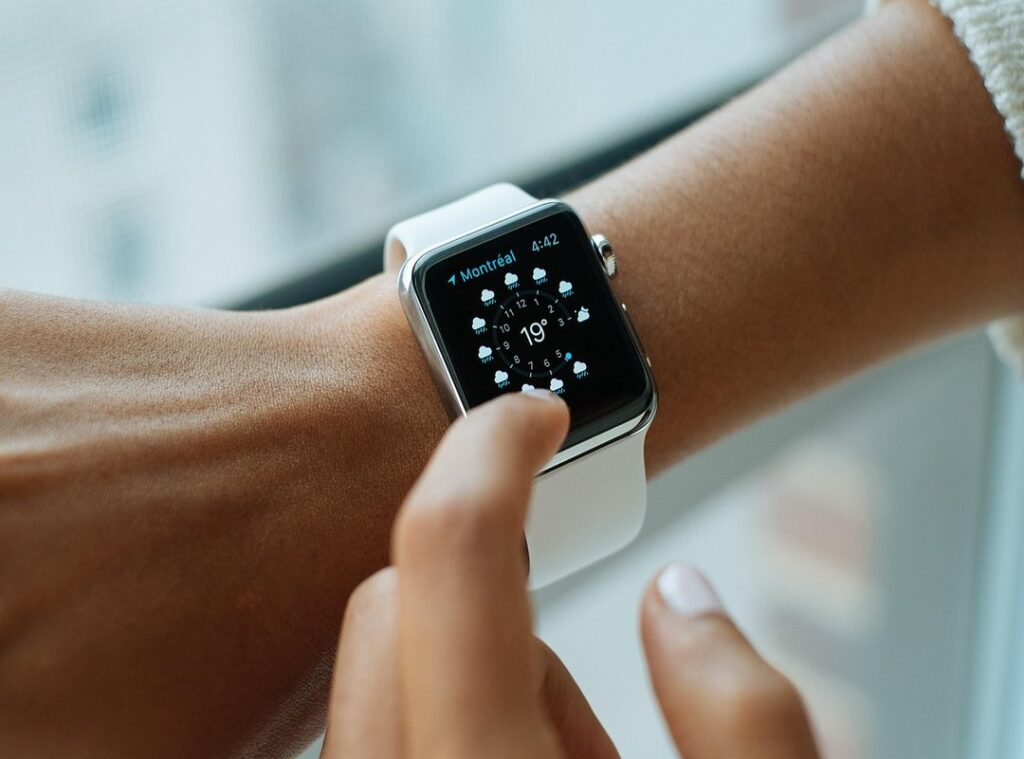
Ultimately, accessible digital assistants can help close the digital divide. They promote equitable access to technology. And here’s a pro tip: check out wearable tech everyday routine for more ways tech can integrate into daily lives.
Let’s not just comply. Let’s innovate.
Unlocking Accessibility: Features That Transform Interaction
Let’s talk about digital assistants accessibility. In today’s tech space, the most important features are those that make these tools usable for everyone. Voice Control and Natural Language Processing (NLP) are game changers.
Why? Because they let you control devices with your voice, which is a huge win for users with motor or visual impairments. No more fumbling around with manual inputs.
Text-to-Speech and Screen Reader Integration are not just nice-to-haves. They’re important. These features vocalize on-screen information, making it accessible for visually impaired users.
Imagine not having to squint at your screen anymore. Sounds good, right?
Customizable User Interfaces offer options like adjustable font sizes, high-contrast themes, and simplified layouts. These are key for users with diverse cognitive and visual needs. It’s not just about making things look good.
It’s about making them usable.
And then there’s Multi-Modal Input/Output. Offering a variety of interaction methods (voice, touch, gesture, eye-tracking) and feedback types (audio, visual, haptic feedback) is what truly makes a digital assistant versatile. You get to choose how you want to interact.
Contextual Awareness and Predictive Capabilities take things a step further. These features can anticipate what you need next, reducing cognitive load. It’s like having a personal assistant who can read your mind.
Real-world examples? Look at accessibility technology & tools for inspiration. They show how these features are not just theoretical but are actively enhancing user experience. technology meets real life, making accessibility not just a feature, but a fundamental.
Digital Assistants: Your New Workflow Allies
Let’s cut to the chase. Integrating digital assistants into your workflow is a game-changer, but only if done right. First, ask yourself: what do you actually need?
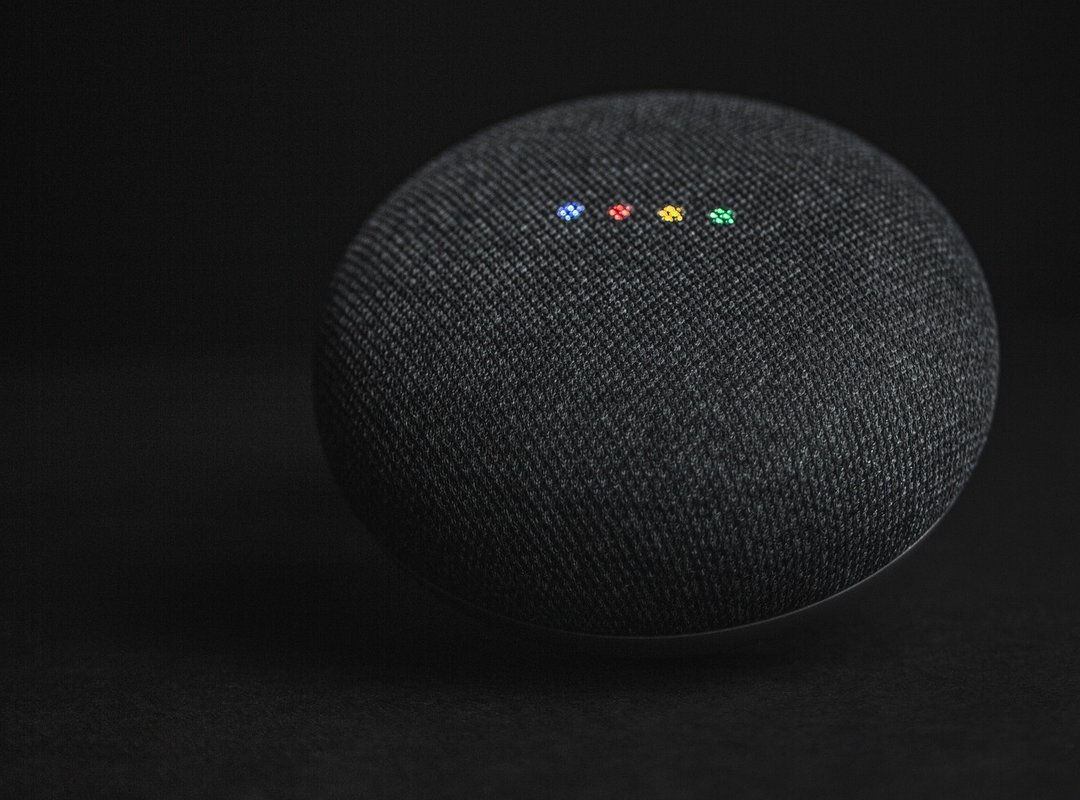
Identifying the specific accessibility requirements of your situation is key. Whether it’s voice commands or compatibility with existing software, knowing your needs can save you from a ton of frustration.
Choosing the right assistant is the next big step. Look at compatibility with your systems, the range of accessible features, and privacy concerns. These aren’t minor details.
They’re deal-breakers. You wouldn’t buy a car without checking the mileage, right? Same concept.
Once you’ve chosen, setting up is your next hurdle. It’s not rocket science, but it requires some attention. Adjust the voice speed and input methods to fit your preferences.
Don’t ignore notification settings; they can turn a handy tool into an annoying distraction if not managed properly.
Training and adoption are where many fail. People underestimate the learning curve. Personalized training can cut that down.
A digital assistant is only as good as the user is prepared to make it. Spend the time learning its features (it) pays off.
Security and privacy should never be afterthoughts. Understand how your data is handled. It’s non-negotiable, especially with sensitive information.
You wouldn’t give a stranger your SSN, so why let an unsecured app have your data?
Pro tip: Use these tools in both personal and professional settings to maximize their utility. They aren’t just for work or play, but for everything in between. If you’re not integrating digital assistants with accessibility in mind, what are you even doing?
The Future of Accessible AI: Shaping Tomorrow
Digital assistants are leaping forward. With machine learning, they’re becoming more than just tools. They’re evolving into smooth companions.
Think about how they understand our language naturally now. It’s mind-blowing. But we can’t ignore the ethical side.
Imagine the integration with augmented reality and wearables. It’s not far off. This is where digital assistants accessibility becomes game-changing.
Diverse input is key to avoid biases.
They’re not just specialized but part of a universal design. Curious about how this ties into Ecommerce Trends Shopping? It’s all connected.
Welcome to the future.
A Call for Accessible Futures
We all know the frustration of a digital world that often overlooks us. This is where digital assistants accessibility comes in. These tools bridge the gap, providing independence and empowerment through intentional design.
I urge you to explore these accessible digital assistants. Advocate for inclusive technology. Your voice matters.
Embrace these innovations to create a more connected and equitable experience for yourself and others. Let’s not wait for change. Take action now.
Dive into the resources available and make a difference in your own digital journey. Together, we can reshape the future.
 Founder & Chief Executive Officer (CEO)